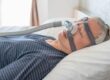

Sleep apnea is a serious condition that affects both sleep quality and overall health. Left untreated, it can increase the risk of high blood pressure, heart disease, stroke, daytime fatigue, and more. Two of the most commonly recommended treatment options for obstructive sleep apnea (OSA) are CPAP machines and mandibular advancement devices.
Mandibular advancement devices are often considered a comfortable alternative to CPAP therapy, appealing to patients who prefer a less invasive and more user-friendly option.
While both treatments aim to keep the airway open during sleep, they differ significantly in design, comfort, convenience, and patient experience. Oral devices, including mandibular advancement devices, are among the main solutions for sleep apnea. Understanding these differences can help you make an informed decision about which solution best fits your lifestyle and health needs.
Understanding Obstructive Sleep Apnea
Obstructive sleep apnea occurs when the upper airway becomes partially or fully blocked during sleep, often due to relaxed throat muscles or the position of the jaw and tongue. These repeated obstructions cause breathing pauses that disrupt sleep and lower oxygen levels.
Treatment focuses on maintaining an open airway throughout the night—either by mechanically delivering air pressure or by repositioning the jaw to prevent collapse.
What Is a CPAP Machine?
A Continuous Positive Airway Pressure (CPAP) machine is one of the most widely prescribed treatments for sleep apnea. It works by delivering a steady stream of pressurized air through a mask worn over the nose or mouth, preventing airway collapse during sleep.
Benefits of CPAP Therapy
- Highly effective for moderate to severe sleep apnea
- Consistently maintains open airways throughout the night
- Often considered the “gold standard” treatment
Common Challenges With CPAP
- Bulky equipment and tubing
- Mask discomfort or air leaks
- Noise sensitivity
- Difficulty traveling with the machine
- Low long-term compliance for many patients
Despite its effectiveness, many patients struggle to use CPAP consistently, which can limit its real-world success.
What Is a Mandibular Advancement Device?
A mandibular advancement device (also known as a mandibular advancement splint) is a custom-made oral appliance worn during sleep. It works by gently repositioning the lower jaw forward—the device moves the jaw to create more space in the airway, thereby improving airflow during sleep and helping keep the airway open by preventing the tongue and soft tissues from collapsing backward.
These appliances are provided by trained dental professionals and are especially effective for patients with mild to moderate obstructive sleep apnea or those who cannot tolerate CPAP therapy. A mandibular advancement device is similar to a custom-fitted mouth guard used for sleep apnea and is considered an effective oral appliance for treating sleep apnea.
Benefits of Mandibular Advancement Devices
Mandibular advancement devices offer several benefits for patients with sleep apnea, making them a comfortable and effective alternative to traditional treatments:
- Small, lightweight, and portable
- Quiet and non-invasive
- Custom-fitted for comfort
- Easy to travel with
- High patient compliance
Incorporating the device into your nighttime routine can help ensure consistent use and better sleep outcomes.
Because they resemble a nightguard, mandibular advancement devices often feel more natural and easier to adapt to than CPAP equipment.
Types of Mandibular Advancement Devices
Mandibular Advancement Devices (MADs) come in several different models, each designed to treat obstructive sleep apnea by moving the lower jaw forward and keeping the airway open during sleep. The two main types are monoblock and two-block devices. Monoblock devices are a single, solid piece that fits over both the upper and lower teeth, holding the jaw in a forward position throughout the night. Two-block devices, on the other hand, consist of separate upper and lower components connected by hinges or elastic straps, allowing for more natural jaw movement and easier adjustments.
Some MADs are adjustable, enabling your dentist to gradually advance the lower jaw forward over time to achieve the most effective treatment for your sleep apnea. This adjustability is especially helpful for patients with moderate OSA or those who need to fine-tune their device for maximum comfort and effectiveness. Non-adjustable devices are custom made to fit your mouth and jaw, based on impressions taken by your dentist, and are typically recommended for patients with mild OSA or primary snoring.
MADs can be crafted from a variety of materials, including durable acrylic, lightweight plastic, or even metal components, depending on your needs and preferences. The choice of device and material is determined by your dentist after a thorough evaluation of your teeth, jaw, and the severity of your sleep apnea. For some patients with severe OSA who cannot tolerate continuous positive airway pressure (CPAP), a robust, custom-made MAD may be used in combination with other therapies to treat obstructive sleep apnea effectively. No matter the type, all MADs are designed to improve airflow, reduce apnea events, and help you achieve a better night’s sleep.
Customization of Mandibular Advancement Devices
Customization is at the heart of successful oral appliance therapy for obstructive sleep apnea. Every Mandibular Advancement Device (MAD) is custom made to fit the unique shape and size of your mouth, teeth, and jaw, ensuring both comfort and therapeutic success. The process begins with a comprehensive evaluation by a qualified dentist, who will assess your dental and jaw structure, discuss your symptoms, and determine the best approach for your treatment.
During your initial visit, your dentist will take detailed digital scans of your teeth and jaw. These are used to fabricate a device that fits precisely and comfortably, allowing for effective mandibular advancement without causing unnecessary pressure or discomfort. Once your custom device is ready, your dentist will carefully adjust it to ensure a secure fit and optimal jaw positioning. This step is crucial for maximizing the effectiveness of the treatment and minimizing potential side-effects.
Customization also allows for adjustments over time, as your needs may change or as your body adapts to the device. A well-fitted MAD not only improves patient comfort and compliance, but also enhances the overall effectiveness of the treatment for obstructive sleep apnea. By working closely with your dentist and attending regular follow-up visits, you can ensure that your device continues to provide the best possible results for your sleep and health.
Potential Side-Effects of Mandibular Advancement Devices
While Mandibular Advancement Devices (MADs) are a safe and effective treatment for obstructive sleep apnea, it’s important to be aware of potential side-effects. One of the most common issues is minor tooth movement or shifting, which can occur as the device gently pushes the lower jaw forward to keep the airway open. Regular follow up visits with your dentist are essential to monitor for any dental changes and to make necessary adjustments to your device.
Some patients may experience dry mouth, increased mouth breathing, or even loud snoring if the device is not properly fitted or if their mouth opens during sleep. Temporary discomfort or soreness in the jaw, teeth, or gums is also possible, especially during the initial adjustment period. These symptoms usually improve as you become accustomed to wearing the device, and over-the-counter pain relievers can help manage any mild discomfort.
In rare cases, more significant side-effects such as temporomandibular joint (TMJ) discomfort or changes in your bite may develop. Working with a qualified dentist or sleep specialist experienced in treating OSA with oral appliances is the best way to minimize these risks. Most patients tolerate MAD therapy well, and the benefits—such as reduced apnea events, improved sleep quality, and decreased daytime sleepiness—typically outweigh the potential drawbacks. Ongoing monitoring and communication with your dental team will help ensure your treatment remains both safe and effective.
Mandibular Advancement Device vs CPAP: Key Differences
The table below highlights the most important differences between CPAP machines and mandibular advancement devices for sleep apnea:
| Feature | Mandibular Advancement Device | CPAP Machine |
|---|---|---|
| How It Works | Repositions the lower jaw to keep the airway open | Delivers continuous air pressure through a mask |
| Size & Portability | Compact and travel-friendly | Bulky with tubing and power supply |
| Noise Level | Silent | Produces machine noise |
| Comfort | Custom-fitted, minimal equipment | Mask and airflow can cause discomfort |
| Best For | Mild to moderate sleep apnea, CPAP-intolerant patients | Moderate to severe sleep apnea |
| Compliance | High long-term usage rates | Lower compliance for many patients |
| Dental Oversight | Provided and monitored by a dentist | Typically managed by a sleep physician |
Which Sleep Apnea Treatment Is Right for You?
The best treatment depends on several factors, including the severity of your sleep apnea, your anatomy, lifestyle, and personal comfort preferences. While CPAP may be necessary for some patients with severe OSA, many individuals find excellent results with mandibular advancement devices for sleep apnea, particularly when CPAP therapy proves difficult to tolerate.
A proper evaluation—including a sleep study and dental assessment—is essential to determine the most effective option. Sleep tests and objective data are important for assessing treatment adherence and effectiveness, as they provide reliable information beyond subjective feedback.
For proper diagnosis and appliance selection, it is recommended to consult with a dentist trained in sleep medicine.
Sleep Apnea Dentistry at Temple City Dental Care
At Temple City Dental Care, we are proud to offer personalized sleep apnea dentistry focused on comfort, effectiveness, and long-term success. Our team provides custom mandibular advancement devices designed to improve airflow and reduce apnea events while fitting seamlessly into your daily life. These treatments are also effective at improving daytime sleepiness for many patients.
From consultation to fitting and ongoing adjustments, we guide you through every step of the process to ensure optimal results and improved sleep quality. Regular follow-up is important to monitor for any long term side effects associated with oral appliance therapy.
Take the First Step Toward Better Sleep. Contact Temple City Dental Care Today
If you or a loved one struggles with snoring, daytime fatigue, or sleep apnea symptoms, you don’t have to settle for restless nights. Whether you are exploring alternatives to CPAP or learning more about mandibular advancement devices for sleep apnea, our team is here to help.
Contact Temple City Dental Care today to ask questions, schedule a consultation, or book an appointment directly online. Better sleep—and better health—can start with a simple conversation.
FAQs
CPAP may be more effective for severe sleep apnea, but many patients with mild to moderate sleep apnea achieve excellent results with a mandibular advancement device. For patients who cannot tolerate CPAP, oral appliances often lead to better long-term compliance and symptom improvement.
Patients with mild to moderate obstructive sleep apnea or chronic snoring are often good candidates. It is also a popular option for individuals who find CPAP masks uncomfortable or difficult to use consistently.
Yes, most mandibular advancement devices are custom-fitted for comfort and designed to feel similar to a nightguard. While a short adjustment period is normal, most patients adapt quickly and sleep comfortably.
Yes, mandibular advancement devices are highly effective at reducing or eliminating snoring. By keeping the airway open, they address the root cause of snoring rather than masking the symptom.