Sleep apnea is a serious condition that affects breathing during sleep and can lead to fatigue, cardiovascular issues, and reduced quality of life if left untreated. Untreated sleep apnea can also result in high blood pressure and other cardiovascular complications. While Continuous Positive Airway Pressure (CPAP) therapy is often considered the standard, it is regarded as the gold standard treatment for obstructive sleep apnea. However, about 40% of people prescribed CPAP therapy do not use it regularly due to discomfort and other side effects. Fortunately, there are effective CPAP alternatives available that may better fit your lifestyle and sleep needs.
This guide explores the most common and effective alternatives to CPAP for sleep apnea, helping you understand your sleep apnea treatments and treatment options. Continuous positive airway pressure (CPAP) is not the only treatment for obstructive sleep apnea, and alternative sleep apnea treatments and treatment options may be better suited to some patients.
Introduction to Sleep Apnea
Sleep apnea is a common and serious sleep disorder that disrupts normal breathing patterns during sleep, often leading to frequent awakenings, loud snoring, and excessive daytime sleepiness. The most prevalent form, known as obstructive sleep apnea (OSA), occurs when the upper airway becomes blocked, causing breathing to pause or become shallow. These interruptions can result in a range of sleep apnea symptoms, including fatigue, morning headaches, and difficulty concentrating.
Continuous positive airway pressure (CPAP) therapy is widely recognized as the gold standard for treating obstructive sleep apnea. CPAP therapy uses a machine to deliver a steady stream of air, keeping the airway open and reducing apnea symptoms. However, some people find CPAP masks uncomfortable or have trouble tolerating CPAP therapy, which can impact their sleep quality and overall health.
Fortunately, there are alternative treatments available for those who find CPAP challenging. Options such as oral appliance therapy, positional therapy, and lifestyle changes can help manage sleep apnea symptoms and improve sleep quality. Exploring these positive airway pressure CPAP alternatives can make a significant difference for individuals seeking a more comfortable and sustainable approach to treating sleep apnea.
Diagnosis and Testing
Proper diagnosis is the first step in effectively managing sleep apnea. The process typically begins with a thorough medical history and physical examination, followed by a sleep study to monitor your breathing and other vital signs while you sleep. Sleep studies can be performed at home or in a specialized sleep center, and they measure important factors such as brain activity, oxygen levels, and breathing patterns.
Why Some Patients Seek CPAP Alternatives
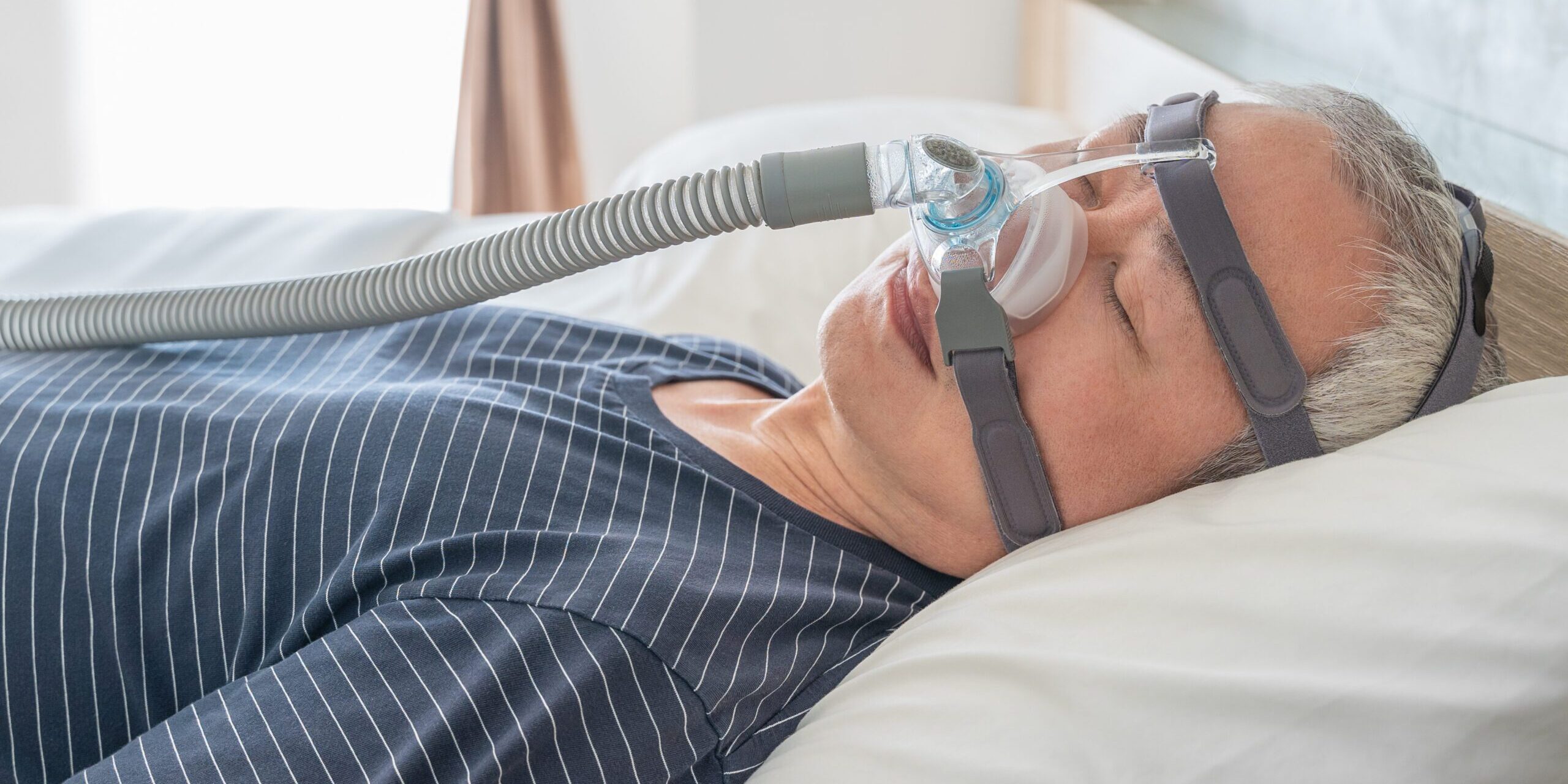
A CPAP machine works by delivering constant air pressure to keep the airway open during sleep. Although effective, many patients experience challenges such as:
- Discomfort from the mask or tubing
- Dry mouth, nasal irritation, or skin irritation
- Difficulty sleeping while wearing the device
- Noise that disrupts sleep for the user or partner
- Trouble traveling with CPAP equipment
These challenges can negatively impact treatment efficacy, as poor compliance with CPAP therapy often leads to suboptimal outcomes. Alternatives to CPAP are often sought because they tend to have higher compliance rates due to increased comfort.
Because of these issues, many individuals look for alternatives to CPAP that are more comfortable, portable, and easier to use consistently. Compliance with sleep apnea treatment is generally higher for alternatives such as oral appliances compared to CPAP due to increased comfort.
Oral Appliance Therapy: A Leading Alternative to CPAP
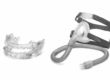
One of the most effective and widely recommended alternatives to CPAP for sleep apnea is oral appliance therapy. These oral appliances are custom-made to fit the patient’s mouth, ensuring comfort and effectiveness. Oral appliances can be an effective alternative to CPAP for many patients with obstructive sleep apnea. They can reduce both snoring and sleep apnea symptoms for many patients. Treatment success with oral appliances can be measured by a decrease in the apnea-hypopnea index (AHI) of at least 50%.
Oral appliances are generally considered a first-line therapy for mild to moderate obstructive sleep apnea and for severe obstructive sleep apnea when CPAP is not tolerated. Patients using oral appliances should be monitored by a qualified dentist for any changes in sleep or device-related side effects. Oral appliances can also alleviate daytime sleepiness and mental fog, lower high blood pressure, and reduce the risk of cardiovascular-related deaths.
Benefits of oral appliances include:
- Comfortable and easy to wear
- Custom-made for each patient
- Can reduce both snoring and sleep apnea symptoms
- Quiet and non-invasive
- Small and travel-friendly
- No electricity or hoses required
- High patient compliance rates
Oral appliances are particularly effective for patients with mild to moderate obstructive sleep apnea and for those who cannot tolerate CPAP therapy. Mandibular Advancement Devices (MADs) are the most common type of oral appliance used for sleep apnea, and they gently reposition the lower jaw forward to keep the airway open during sleep.
Mandibular Advancement Devices (MADs)
Mandibular advancement devices are a specific type of oral appliance designed to prevent airway collapse by moving the jaw forward. These devices are custom-fitted by a trained dental professional to ensure effectiveness and comfort.
Compared to over-the-counter mouthguards, professionally fitted MADs provide:
- Precise jaw positioning
- Improved comfort and durability
- Better long-term results
- Reduced risk of jaw or bite issues
However, improper fitting or usage of oral appliances can lead to jaw pain, making professional assessment and adjustment important to help prevent this discomfort.
For many patients, MADs are among the most effective CPAP alternatives available today.
Positional Therapy as an Alternative to CPAP
Some people experience a specific type of sleep apnea called positional sleep apnea, which is characterized by worse symptoms when sleeping on their back due to gravity causing airway obstruction. Positional therapy focuses on encouraging side-sleeping to reduce airway obstruction and uses devices or garments to keep patients off their back while sleeping. Research shows that positional therapy may reduce apnea episodes for people whose symptoms are worse when sleeping on their backs.
The apnea-hypopnea index (AHI) is observed to be twice as high when people sleep on their back compared to when they sleep on their side, and positional therapy can decrease AHI by 7 events per hour for those with positional sleep apnea. Patients using positional therapy tend to use it for an average of 2.5 hours longer per night compared to CPAP. However, some people find positional therapy devices uncomfortable and report mild side effects such as sleep disturbances or back and chest discomfort.
Positional therapy can help keep patients off their back while sleeping, which may reduce apnea episodes and sleep disturbances. Positional therapy can reduce apnea episodes for people whose symptoms worsen when sleeping on their back.
This approach may include:
- Specialized pillows or wearable devices
- Behavioral sleep training
- Sleep position monitoring
While positional therapy may not be sufficient on its own for moderate to severe cases, it can be helpful for mild sleep apnea or used alongside other alternatives to CPAP.
Lifestyle Changes That Support CPAP Alternatives
In certain cases, lifestyle adjustments can significantly reduce sleep apnea symptoms and enhance the effectiveness of other treatments. Excess weight and obesity are major risk factors for sleep apnea. Weight loss and lifestyle changes can significantly reduce the severity of sleep apnea. Losing weight through diet and exercise has been shown to improve sleep apnea symptoms, and regular exercise can improve sleep apnea even if it doesn’t lead to visible weight loss. Avoiding alcohol, which relaxes throat muscles, is an effective step in managing sleep apnea symptoms. Small changes in daily habits can significantly improve sleep apnea symptoms. For patients with obesity and severe sleep apnea, bariatric surgery may be considered, and GLP-1 Receptor Agonists like Zepbound are FDA-approved for treating moderate-to-severe sleep apnea in obese adults by promoting weight loss.
Common recommendations include:
- Weight management
- Reducing alcohol consumption
- Quitting smoking
- Establishing consistent sleep routines
Although lifestyle changes alone rarely replace treatment, they can strengthen the results of CPAP alternatives for sleep apnea.
Myofunctional Therapy
Myofunctional therapy is an emerging and relatively new treatment option for obstructive sleep apnea. This therapy focuses on strengthening the muscles of the face, mouth, and throat, which play a crucial role in keeping the airway open during sleep. By targeting these muscles, myofunctional therapy aims to reduce airway blockages and improve sleep quality.
The therapy typically involves a series of simple exercises, such as tongue presses, cheek and lip movements, and specific swallowing techniques. These exercises are designed to enhance muscle tone and function, making it easier to maintain an open airway throughout the night. For some individuals, myofunctional therapy can help decrease sleep apnea symptoms and may be used alongside oral appliance therapy or CPAP therapy for even better results.
While more research is needed to fully understand the long-term benefits, myofunctional therapy offers a promising alternative or complement to traditional treatments for obstructive sleep apnea. If you are looking for a non-invasive way to improve your sleep and reduce apnea symptoms, this relatively new treatment may be worth considering as part of your overall treatment for obstructive sleep apnea.
Surgical Alternatives to CPAP for Sleep Apnea
In certain cases, surgical treatment may be recommended to correct anatomical issues contributing to airway obstruction, especially when a patient has not found success with other therapies.
Common surgical options include:
- Soft tissue surgery to reduce airway blockage, such as uvulopalatopharyngoplasty, which has been a mainstay of surgical treatment for obstructive sleep apnea since the early 1980s. Success rates for uvulopalatopharyngoplasty vary, with a meta-analysis showing a reduction in the apnea-hypopnea index (AHI) by 33%.
- Jaw repositioning surgery, such as maxillomandibular advancement, which can significantly increase the volume of the airway and has been associated with an 87% reduction in AHI.
- Nasal or sinus surgery
A relatively new surgical option is hypoglossal nerve stimulation, which involves implanting a device to stimulate the nerve controlling the tongue’s movements during sleep, moving the tongue forward to keep the airway open. Candidates for hypoglossal nerve stimulation must have tried CPAP without success and have an AHI between 15 and 100 events per hour.
This treatment has been shown to be effective for patients with moderate to severe obstructive sleep apnea who cannot tolerate CPAP. Some surgical interventions, such as hypoglossal nerve stimulation, are also approved and effective for pediatric patients, particularly those with specific syndromic conditions.
Drug induced sleep endoscopy is a diagnostic procedure performed under sedation to identify airway obstructions and tailor surgical interventions. Certain surgical options may be less suitable or require careful evaluation in patients with severe sleep apnea or severe obstructive sleep apnea.
Surgery is typically considered when other CPAP alternatives have not been successful and should be evaluated carefully with a qualified healthcare provider.
Central Sleep Apnea
Central sleep apnea (CSA) is a less common but important type of sleep apnea that differs from obstructive sleep apnea. Unlike OSA, which is caused by physical blockages in the upper airway, central sleep apnea occurs when the brain fails to send the correct signals to the muscles that control breathing. This can result in repeated pauses or shallow breathing during sleep, leading to disrupted rest and daytime fatigue.
CSA can be triggered by various factors, including heart failure, stroke, or the use of certain medications. Treatment for central sleep apnea often focuses on addressing the underlying medical condition. In addition, positive airway pressure devices such as bilevel positive airway pressure (BiPAP) or adaptive servo-ventilation (ASV) machines may be prescribed to help regulate breathing patterns during sleep. In some cases, implantable nerve stimulation devices are used to stimulate the nerves responsible for breathing, providing another option for managing CSA.
Because central sleep apnea requires a different approach than obstructive sleep apnea, it’s important to consult with a sleep specialist to determine the most effective treatment plan. With the right support and therapy, many people with central sleep apnea can achieve better sleep and improved overall health.
Sleep Apnea Dentistry at Temple City Dental Care
At Temple City Dental Care, we specialize in sleep apnea dentistry and offer comfortable, custom oral appliance solutions for patients seeking effective alternatives to CPAP for sleep apnea. Our approach focuses on mandibular advancement devices. Our experienced team works closely with sleep physicians to ensure each patient receives personalized, evidence-based care tailored to their needs.
Finding the Right Alternative to CPAP for Sleep Apnea
Every case of sleep apnea is different, which is why treatment should always be personalized. Whether you are newly diagnosed or struggling with CPAP therapy, exploring alternatives to CPAP for sleep apnea can open the door to more comfortable and sustainable solutions.
Take the Next Step Toward Better Sleep. Schedule a Consultation With Temple City Dental Care
If CPAP therapy isn’t working for you, you don’t have to settle for poor sleep or untreated sleep apnea. Effective CPAP alternatives are available, and the right solution can dramatically improve your sleep, health, and quality of life.
Contact us today at Temple City Dental Care to learn more about oral appliance therapy or to ask any questions about sleep apnea treatment. You can also book an appointment directly online and take the first step toward restful, healthier sleep.
FAQs
Some of the most effective CPAP alternatives include oral appliance therapy, positional therapy, lifestyle changes, and, in some cases, surgical options. Oral appliances are especially popular because they are comfortable, non-invasive, and easy to wear compared to CPAP machines.
Oral appliances are generally more comfortable and easier to use than CPAP machines, which can improve long-term compliance. While CPAP is often recommended for severe cases, oral appliances can be highly effective for mild to moderate sleep apnea and for patients who cannot tolerate CPAP.
Yes, dentists trained in sleep apnea dentistry can provide oral appliance therapy as a recognized treatment option. At Temple City Dental Care, we work with sleep physicians to provide custom mandibular advancement devices designed to improve airflow and reduce apnea events.
The best CPAP alternative depends on factors such as the severity of your sleep apnea, your anatomy, and your comfort preferences. A professional evaluation with a dental sleep medicine provider can help determine the most appropriate treatment option.