Choosing between Invisalign vs braces is a common decision for patients who want a healthier, straighter smile. Both treatments are designed to correct crooked teeth, spacing issues, overcrowding, and bite problems, but they work in different ways and offer different benefits depending on your needs, goals, and lifestyle.
In this patient guide, we break down the most important differences in braces vs Invisalign so you can better understand which orthodontic option may be right for you or your child.
Introduction to Orthodontic Treatments
Orthodontic treatment is designed to straighten teeth, correct bite problems, and enhance both oral health and the appearance of your smile. Two of the most popular treatment options available today are traditional braces and Invisalign aligners.
Both traditional braces and Invisalign aligners can address a wide range of orthodontic issues, including crooked teeth, crowded teeth, and even some complex orthodontic cases. The effectiveness of each treatment method depends on the specific needs of the patient and the complexity of the orthodontic problems being treated. Patient compliance is crucial for both options—wearing removable aligners as directed or attending regular office visits for adjustments with braces ensures the best possible results.
Ultimately, whether you choose traditional braces or Invisalign aligners, both are proven ways to gradually straighten teeth and improve overall oral health. The right orthodontic treatment for you will depend on your unique dental needs, lifestyle, and personal preferences.
Understanding the Basics of Invisalign and Braces
Before comparing Invisalign vs braces, it helps to understand what each treatment is.
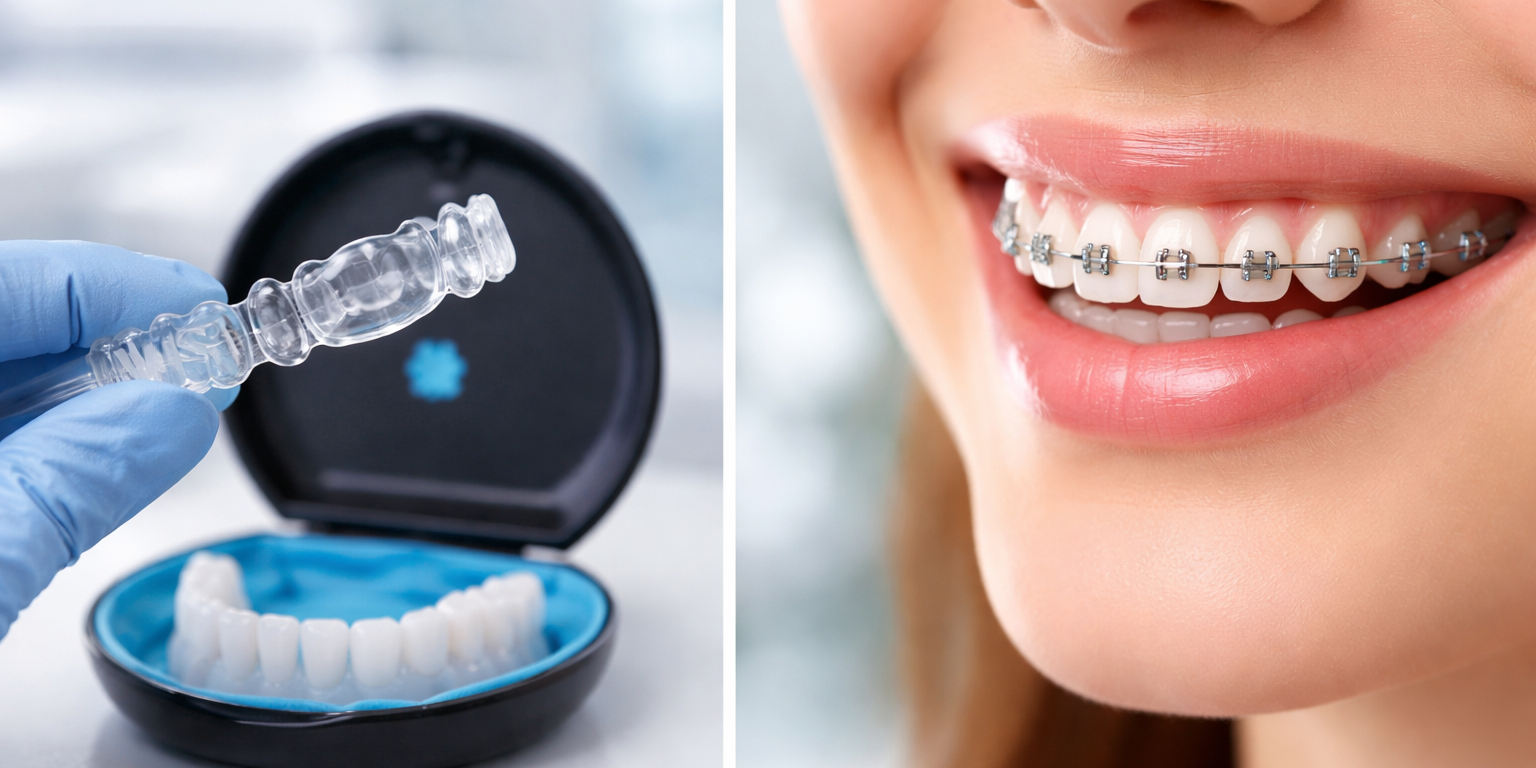
Invisalign uses a series of clear, removable aligners that are custom-made to gradually shift teeth into place. Invisalign treatment uses clear, plastic aligners that are customized for each patient and are virtually invisible when worn. These aligners are made from smooth, clear plastic, making them comfortable to wear.
Traditional braces use brackets and wires attached to the teeth to apply consistent pressure and move teeth into proper alignment over time. Braces are traditionally made of metal and attached to the outside of the teeth, but modern options like ceramic braces and clear braces are available for a more discreet appearance.
Both treatments straighten teeth effectively and are suitable for patients of all ages. Both options can effectively improve the appearance and function of your smile, but the right choice often depends on the complexity of your case and your daily habits.
Braces vs Invisalign: Side-by-Side Comparison
Here is a simple comparison table to help you understand the differences between Invisalign vs braces at a glance.
| Feature | Invisalign | Braces |
| Appearance | Clear and discreet | More noticeable, especially metal braces |
| Removability | Removable | Fixed to the teeth |
| Comfort | Smooth plastic aligners with no brackets or wires | May cause irritation from brackets and wires |
| Eating | No restrictions! | Food restrictions apply |
| Oral hygiene | Easier to brush and floss | More difficult to clean around brackets and wires |
| Treatment complexity | Best for mild to moderate and many complex cases when appropriate | Often ideal for simple to complex cases |
| Compliance | Requires consistent wear, recommended 24/7 wear time, unless cleaning teeth. | Works continuously since it stays on |
| Office visits | Usually fewer and shorter check-ins | Regular adjustment appointments needed |
| Best for | All types, children to adults, looking to improve their smile, alignment, and bite effectively and efficiently. | All types, children to adults, who feel they would not be compliant wearing aligners. |
How Invisalign Works
When choosing between Invisalign vs braces, many patients are drawn to Invisalign because of its nearly invisible appearance. Invisalign aligners are virtually invisible, made from transparent plastic, making them especially appealing for adult patients who want a discreet treatment. Invisalign aligners are custom-crafted to fit snugly over your teeth and are worn for most of the day, usually 20 to 22 hours.
Because the aligners are removable, Invisalign offers more flexibility than braces. You can take them out while eating, drinking anything other than water, brushing, and flossing. Invisalign typically requires fewer office visits compared to braces, which is convenient for busy adults. This makes Invisalign an appealing option for patients who want a more convenient and discreet treatment.
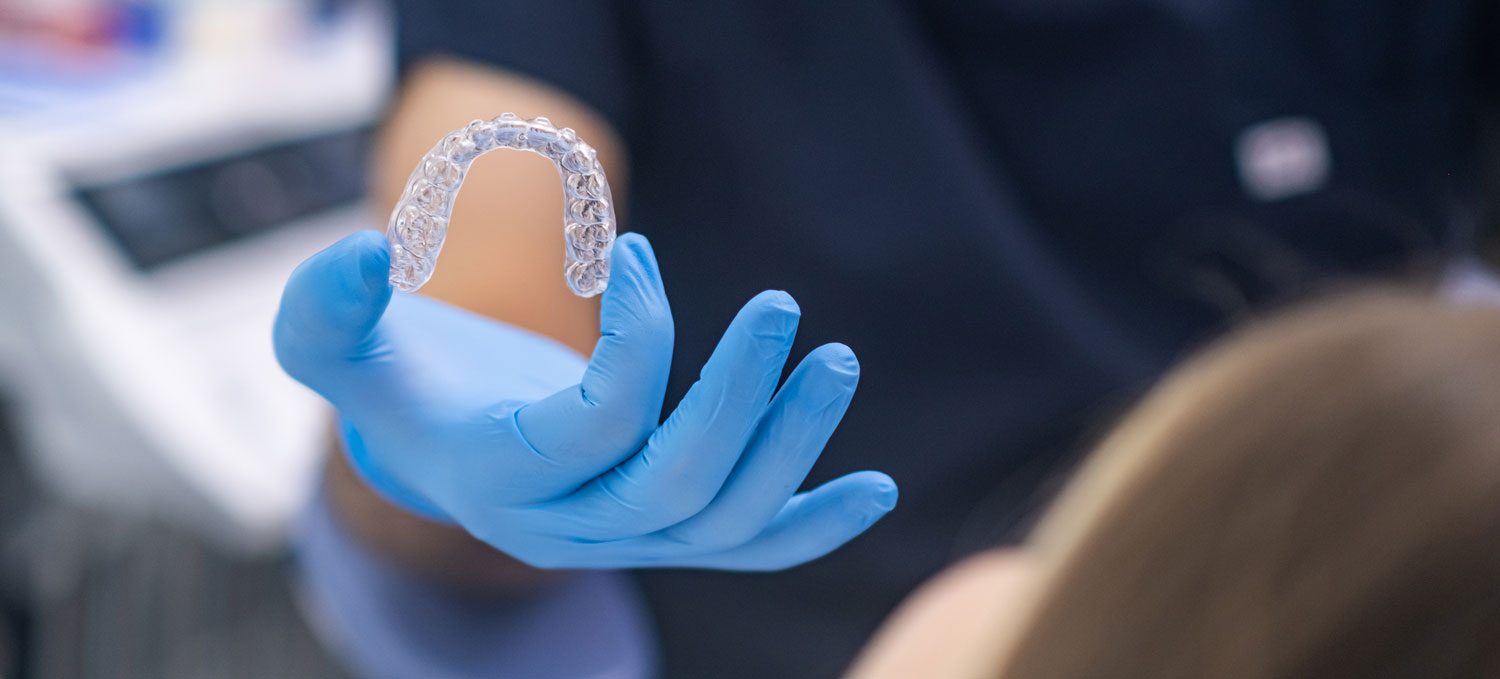 Invisalign may be a strong choice for patients with:
- Mild to moderate crowding
- Gaps between teeth
- Minor to moderate bite concerns
- Relapse after previous orthodontic treatment
Invisalign is also a key part of cosmetic dentistry services, delivering predictable and beautiful results for mild to moderate orthodontic issues.
How Braces Work
Braces have been used for decades to treat a wide range of orthodontic and dental issues. Braces offer more control for complex orthodontic issues and are highly effective for severe misalignments, bite problems, and other complex dental issues that require precise tooth movement. Unlike Invisalign, braces are bonded directly to the teeth, which means they work continuously without needing patient removal or reinsertion.
Braces require regular adjustments by an orthodontist to ensure teeth are guided into the correct position. These adjustments help maintain effective tooth movement throughout the treatment. Tooth colored brackets are also available as an aesthetic option for patients who want their braces to be less visible.
For some patients comparing braces vs Invisalign, braces may be the better option when the alignment issues are more complex. Braces can achieve a better result than Invisalign for complex orthodontic cases due to their ability to apply more force to move teeth. However, braces can be uncomfortable initially and may require dietary adjustments to avoid damaging the brackets and wires.
 Braces are commonly recommended for:
- Severe crowding
- Significant spacing problems
- Rotated teeth
- More advanced bite issues
- Younger patients who may struggle to wear aligners consistently
Appearance: Which Option Is More Discreet?
For many patients, appearance is a major factor in choosing between braces vs Invisalign.
Invisalign is often preferred by patients who want a more subtle orthodontic treatment. The clear aligners are designed to fit snugly over the teeth, making them much less noticeable in everyday life. Invisalign aligners are considered invisible braces because they are virtually invisible when worn, discreetly blending in with your natural teeth. This can be especially appealing for working adults, teens, and anyone who wants to straighten their teeth with minimal impact on their appearance.
Traditional braces are more visible because they use metal brackets and wires. However, clear braces and ceramic braces are available as less noticeable alternatives to metal braces. Ceramic braces blend with the natural color of teeth, making them a discreet option for those concerned about appearance. While traditional braces are more visible than Invisalign aligners, modern options like ceramic braces are less noticeable.
If discretion is high on your priority list, Invisalign often has the advantage in the Invisalign vs braces discussion.
Comfort and Convenience
Another important difference in braces vs Invisalign is comfort and convenience.
Invisalign aligners are made from smooth plastic, so they do not have the brackets or wires that can sometimes irritate the cheeks and lips. Patients may still feel pressure when switching to a new aligner tray, but this usually means the treatment is working.
Braces can be very effective, but the hardware may cause soreness after adjustments. Broken wires or loose brackets can also create discomfort and may require an extra office visit.
From a convenience standpoint, Invisalign aligners can be removed for meals, brushing, flossing, and special occasions. Braces remain in place at all times, so patients need to adapt their routines around them.
Eating and Lifestyle Differences
When thinking through Invisalign vs braces, lifestyle matters.
With Invisalign, you remove the aligners before eating or drinking anything other than water. That means there are usually fewer food restrictions. You can continue enjoying popcorn, crunchy foods, chewy foods, and other favorites as long as you remove your aligners first and clean your teeth before putting them back in.
With braces, certain foods can damage brackets or wires. Sticky candy, hard foods, popcorn, and chewy snacks are often discouraged. Patients with braces also need to be more cautious during meals.
For busy patients who want flexibility, Invisalign may feel easier to manage. However, because Invisalign is removable, it also requires responsibility. Wearing aligners for the recommended amount of time each day is essential for success.
Effectiveness: Which Works Better?
A common question in the braces vs Invisalign conversation is which treatment works better.
The truth is that both treatments straighten teeth properly and are effective in treating orthodontic issues for patients of all ages. With proper guidance, either option can help you achieve a confident smile. The best choice depends on your specific orthodontic needs.
Invisalign can treat many alignment and bite concerns and has become an increasingly popular option for a wide range of patients. It is especially appealing for those who want a nearly invisible treatment experience.
Braces are still an excellent option and may be recommended for more complex tooth movement or bite correction, depending on the situation. Because braces are fixed to the teeth, they are constantly working and do not rely on patient compliance in the same way Invisalign does.
Ultimately, the most effective treatment is the one that fits your needs and that you will follow consistently.
Oral Hygiene and Maintenance
One of the biggest practical differences between Invisalign vs braces is how each affects your daily oral hygiene routine.
With Invisalign, brushing and flossing are typically easier because you remove the aligners before cleaning your teeth. This allows you to maintain your normal oral care habits with less difficulty.
Braces require more effort because food particles can get trapped around brackets and wires. Patients often need to use special tools or techniques to brush and floss thoroughly.
For patients who want a simpler hygiene routine during orthodontic treatment, Invisalign may be more convenient.
Treatment Time and Follow-Through
Treatment length varies from case to case, so there is no one-size-fits-all answer in the braces vs Invisalign comparison. Treatment duration is an important factor: braces are typically worn for 18 months to 3 years, while Invisalign treatment duration can range from 12 to 18 months for mild to moderate cases, but may take longer depending on complexity and patient compliance.
Some patients complete treatment with Invisalign in a relatively efficient timeframe, while others may benefit from braces depending on their dental needs. The appropriate treatment duration and method depend on your individual treatment needs, so consulting with your provider is essential. The complexity of your case, your bite issues, and how well you follow your treatment plan all influence the timeline.
With Invisalign, patient compliance matters a great deal. If aligners are not worn as directed, treatment can be delayed. Braces do not have this same issue because they stay on your teeth full-time.
This makes Invisalign ideal for patients who are committed and consistent, while braces may be better for those who prefer a treatment that does not rely on remembering to wear trays.
Cost and Comparison
When considering orthodontic treatment, cost is often a significant factor in the decision-making process. The price of traditional braces and Invisalign treatment can vary widely based on the complexity of your case, your location, and the specifics of your dental insurance plan.
On average, traditional metal braces typically range from $3,000 to $7,000, while Invisalign aligners may cost between $4,000 and $8,000. Many dental insurance plans offer partial coverage for both treatment options, so it’s important to check with your insurance provider to understand your benefits.
Invisalign vs Braces for Kids, Teens, and Adults
The right orthodontic treatment often depends on the patient’s age and lifestyle. Both Invisalign and braces are effective in treating orthodontic issues for kids, teens, and adult patients.
Kids
For younger patients, treatment recommendations depend on dental development, oral habits, and the type of correction needed. Some children may be better candidates for braces, while others may benefit from Invisalign treatment designed for growing smiles.
Teens
Teens often compare Invisalign vs braces based on appearance, school activities, and ease of use. Invisalign can be a great choice for responsible teens who will wear their aligners as instructed. Braces can be a strong option for teens who need a more fixed treatment approach.
Adults
Adults frequently choose Invisalign because it offers a discreet and professional-looking way to straighten teeth. However, braces remain a reliable solution for adults who need comprehensive orthodontic correction or prefer a non-removable option.
How to Decide Between Braces vs Invisalign
If you are still deciding between braces vs Invisalign, here are a few helpful questions to consider:
- Do you want a more discreet treatment option?
- Are you comfortable wearing aligners consistently every day?
- Do you want fewer food restrictions?
- Is your case mild, moderate, or more complex?
- Would you prefer a removable or fixed appliance?
- How important is convenience in your daily routine?
The best way to decide is through a professional consultation. A dental evaluation can determine which treatment is best suited to your smile goals, bite concerns, and lifestyle.
Invisalign Care at Temple City Dental in the San Gabriel Valley
At Temple City Dental, we are proud to serve patients throughout the San Gabriel Valley with personalized dental care focused on long-term oral health and beautiful smile results. Our team specializes in cosmetic and restorative dentistry, helping patients improve both the function and appearance of their teeth with modern, patient-centered treatment options.
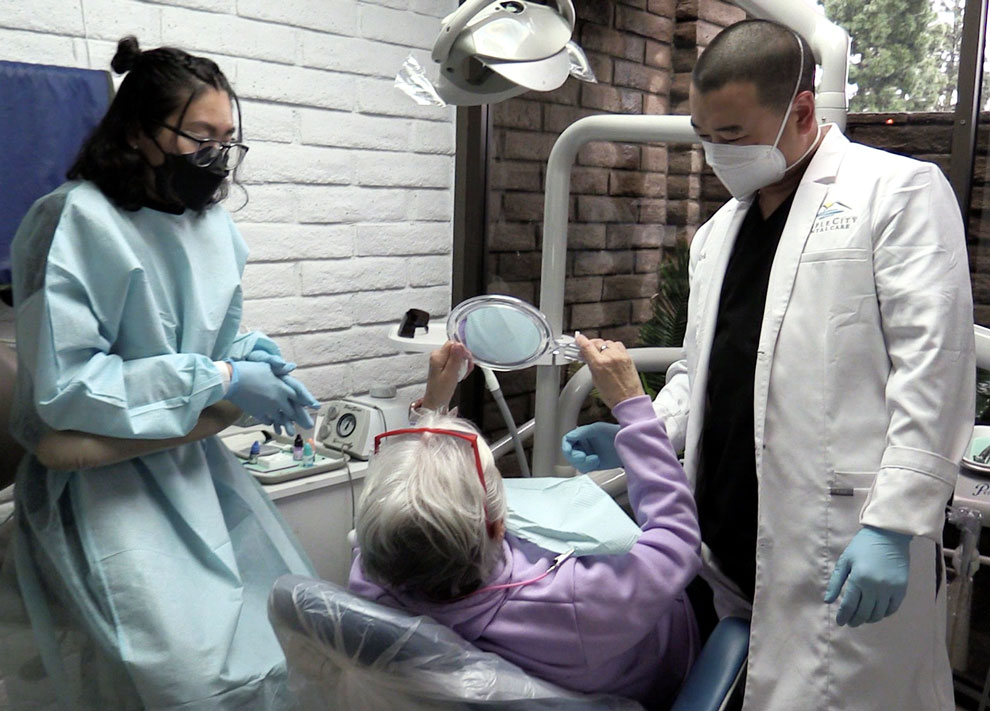
We are also proud to offer Invisalign services for kids, teens, and adults, making it easier for patients of all ages to pursue a straighter, healthier smile with a discreet and comfortable orthodontic solution. Whether you are exploring orthodontic treatment for your child, looking for a teen-friendly option, or want a more subtle alternative to braces as an adult, our team is here to help guide you through every step of the process.
 Take the Next Step Toward a Straighter, Healthier Smile
When comparing Invisalign vs braces, there is no universal answer that works for everyone. Both treatments can straighten teeth, correct bite issues, and improve your smile. Invisalign offers a clear, removable, and convenient option for many patients, while braces remain a trusted and effective solution for a wide range of orthodontic concerns.
The right choice comes down to your needs, preferences, and treatment goals.
To learn more about braces vs Invisalign and find out which option is right for you, contact Temple City Dental today. Our team is here to answer your questions, guide you through your options, and help you take the next step toward a healthier, straighter smile. You can also book an appointment directly online to get started.
FAQs
Invisalign is not always better than braces, but it can be a better fit for patients who want a more discreet and removable treatment option. The right choice depends on your orthodontic needs, lifestyle, and how consistently you can follow your treatment plan.
Many patients find Invisalign more comfortable because the aligners are made of smooth plastic and do not have metal wires or brackets. However, both Invisalign and braces can cause temporary soreness as teeth begin to shift into alignment.
The main difference is that Invisalign uses clear, removable aligners, while braces use fixed brackets and wires attached to the teeth. Both options can straighten teeth and correct bite issues, but they offer very different treatment experiences.
The best way to decide between Invisalign and braces is to have a dental evaluation with a qualified provider. Your dentist can examine your teeth, bite, and smile goals to recommend the treatment option that best fits your needs.