Dental implants are one of the most reliable ways to replace missing teeth because they are designed to act like artificial tooth roots. Once placed, they can support a crown, bridge, denture, or full-arch restoration, helping restore chewing strength, smile appearance, and long-term oral stability. Implant treatment is highly personalized, and the best option depends on your jawbone health, number of missing teeth, smile goals, medical history, and whether you need a single-tooth or full-mouth solution.
This guide breaks down the different types of dental implants by placement, design, use case, and material so you can better understand which option may fit your smile goals.
What Are Dental Implants?
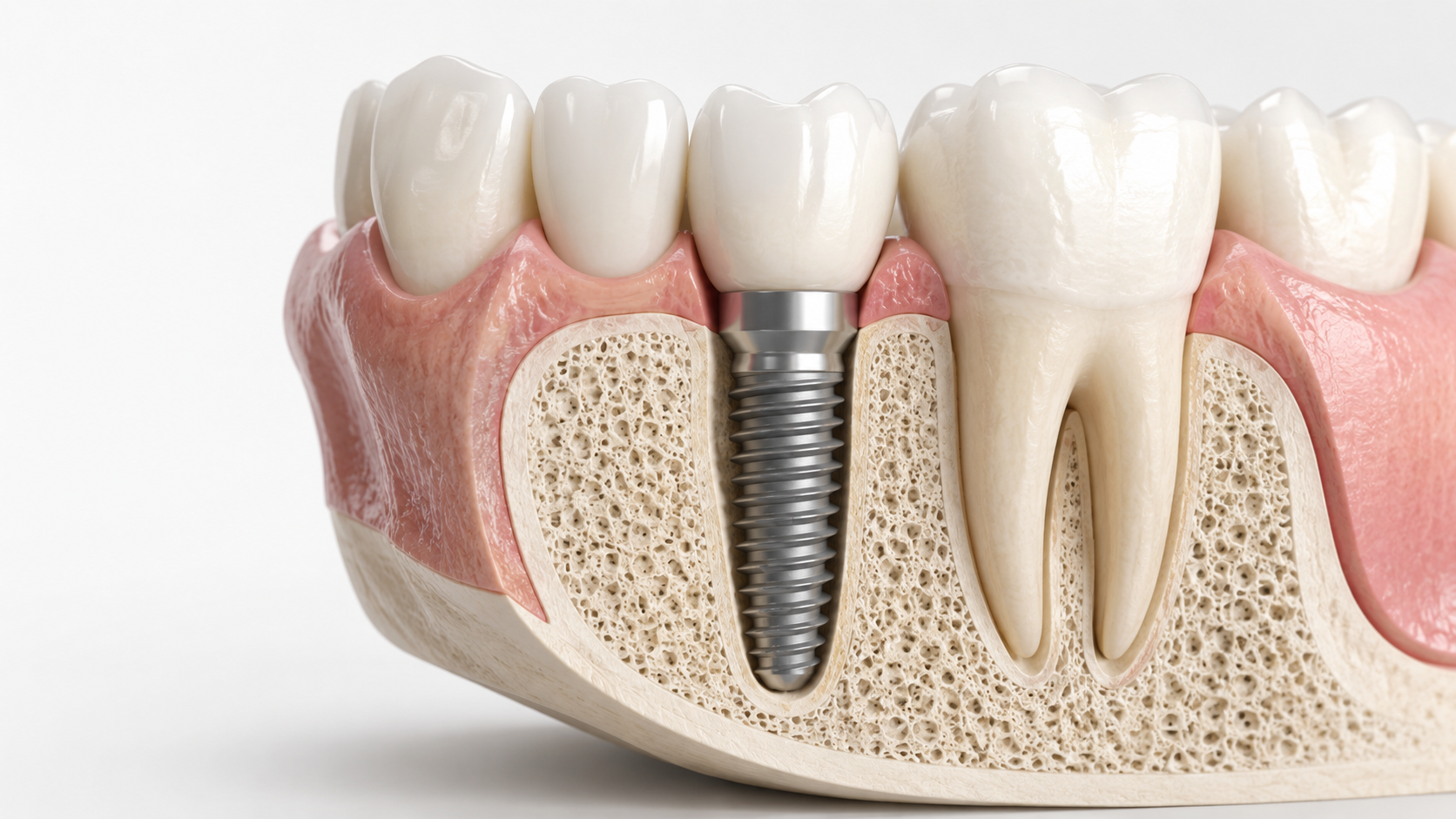
A dental implant is a small post or framework that replaces the root portion of a missing tooth. In many cases, the implant is surgically placed into the jawbone, where it can fuse with the surrounding bone through a process called osseointegration. This creates a stable foundation for a custom restoration such as a crown, bridge, or denture.
A complete implant restoration usually includes three main parts:
- The implant post: The artificial root placed in or near the jawbone.
- The abutment: The connector between the implant and the restoration.
- The restoration: The visible tooth replacement, such as a crown, bridge, or denture.
Main Types of Dental Implants by Placement
The most common way to classify dental implants is by placement technique. These categories describe where the implant is positioned in relation to the jawbone.
Endosteal Implants
Endosteal implants are the most common type of dental implant. They are usually shaped like small screws and placed directly into the jawbone. After healing, the implant can support a crown, bridge, or denture. Endosteal implants are commonly made from titanium, a durable material widely used because of its ability to integrate with bone.
Endosteal implants may be recommended for patients who:
- Have healthy jawbone density and volume
- Need to replace one tooth, several teeth, or a full arch
- Want a long-term alternative to removable dentures
- Are healthy enough for oral surgery and proper healing
Because they are highly versatile, endosteal implants are often considered the standard option for many implant patients.
Subperiosteal Implants
Subperiosteal implants are placed under the gum tissue but rest on top of the jawbone rather than being inserted into it. This option may be considered when a patient does not have enough jawbone height or density for traditional endosteal implants and does not want, or may not be a candidate for, bone grafting.
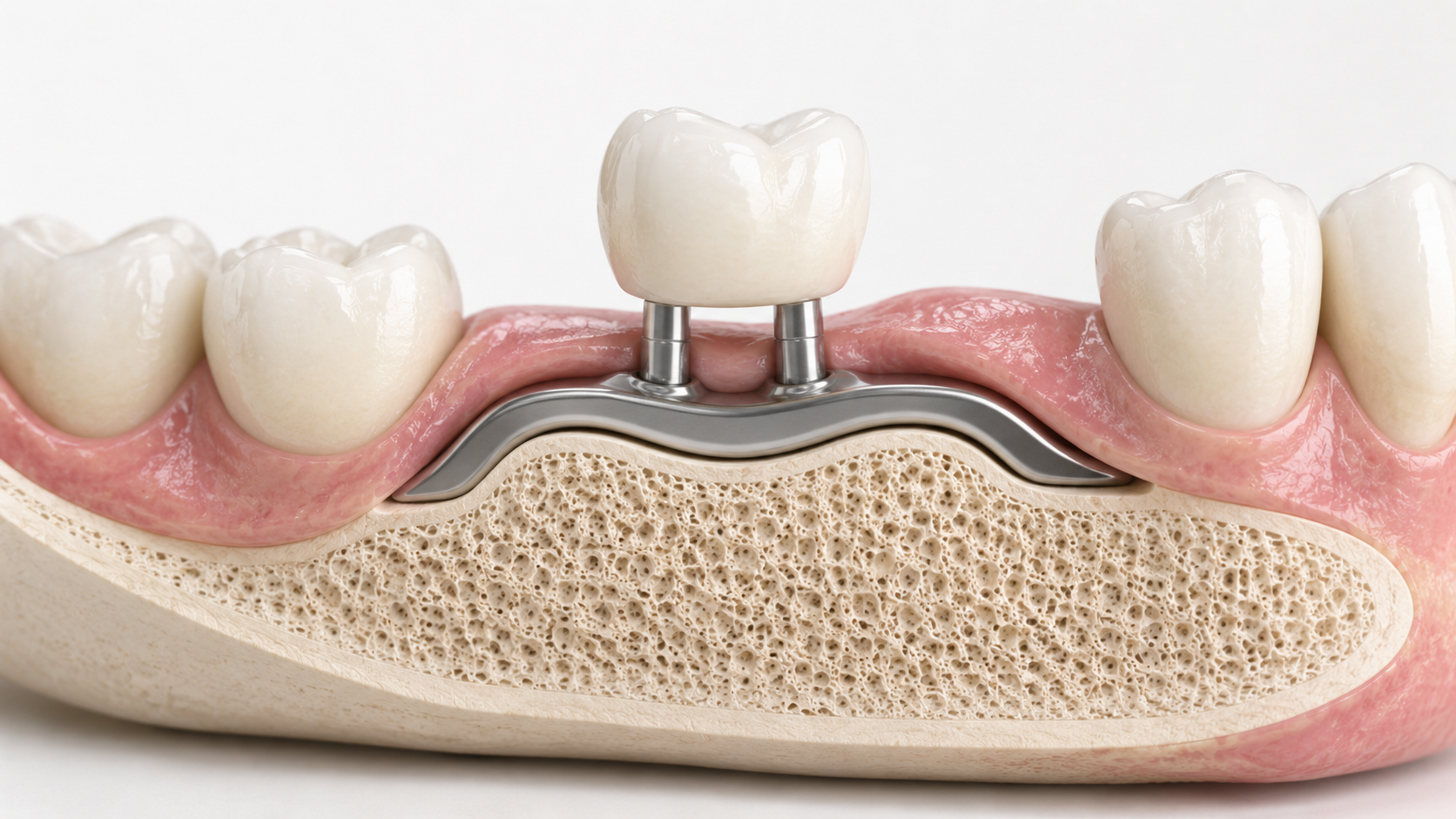
Subperiosteal implants are less common today than endosteal implants, but they can still be useful in select cases. They may help patients with bone limitations explore implant-supported restorations without more extensive grafting procedures.
Zygomatic Implants
Zygomatic implants are a specialized option for patients with severe bone loss in the upper jaw. Instead of anchoring into the jawbone, these longer implants are anchored into the cheekbone, also called the zygoma. Because this technique is more complex, it is usually reserved for advanced cases where traditional implants are not suitable.
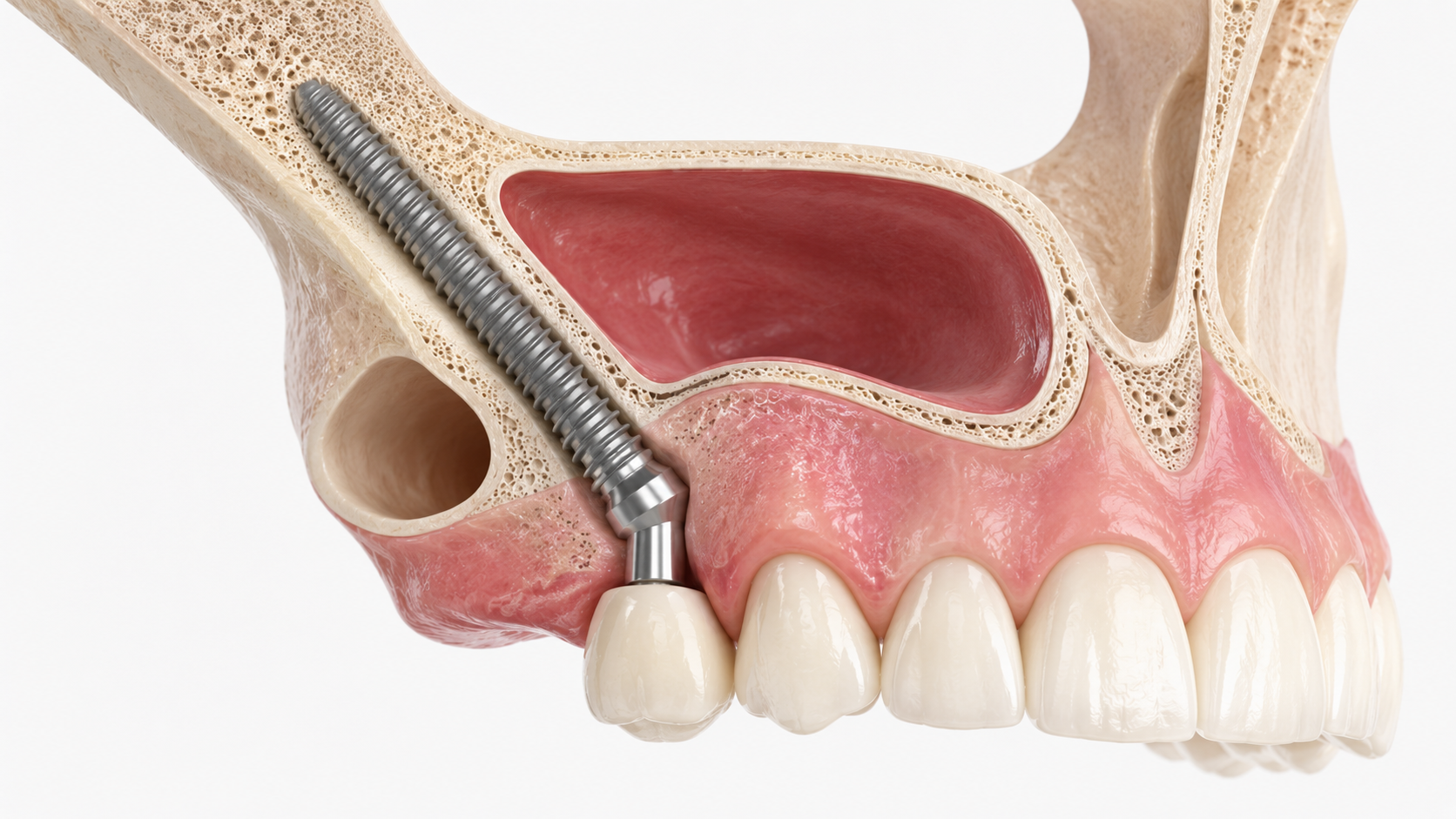
Patients who may hear about zygomatic implants often have significant upper jawbone loss, have been told they are not candidates for standard implants, or want to avoid extensive bone grafting. However, this treatment requires careful evaluation and advanced surgical planning.
Types of Dental Implants by Design and Use
Beyond placement methods, dental implants can also be categorized by size, design, and the type of restoration they support.
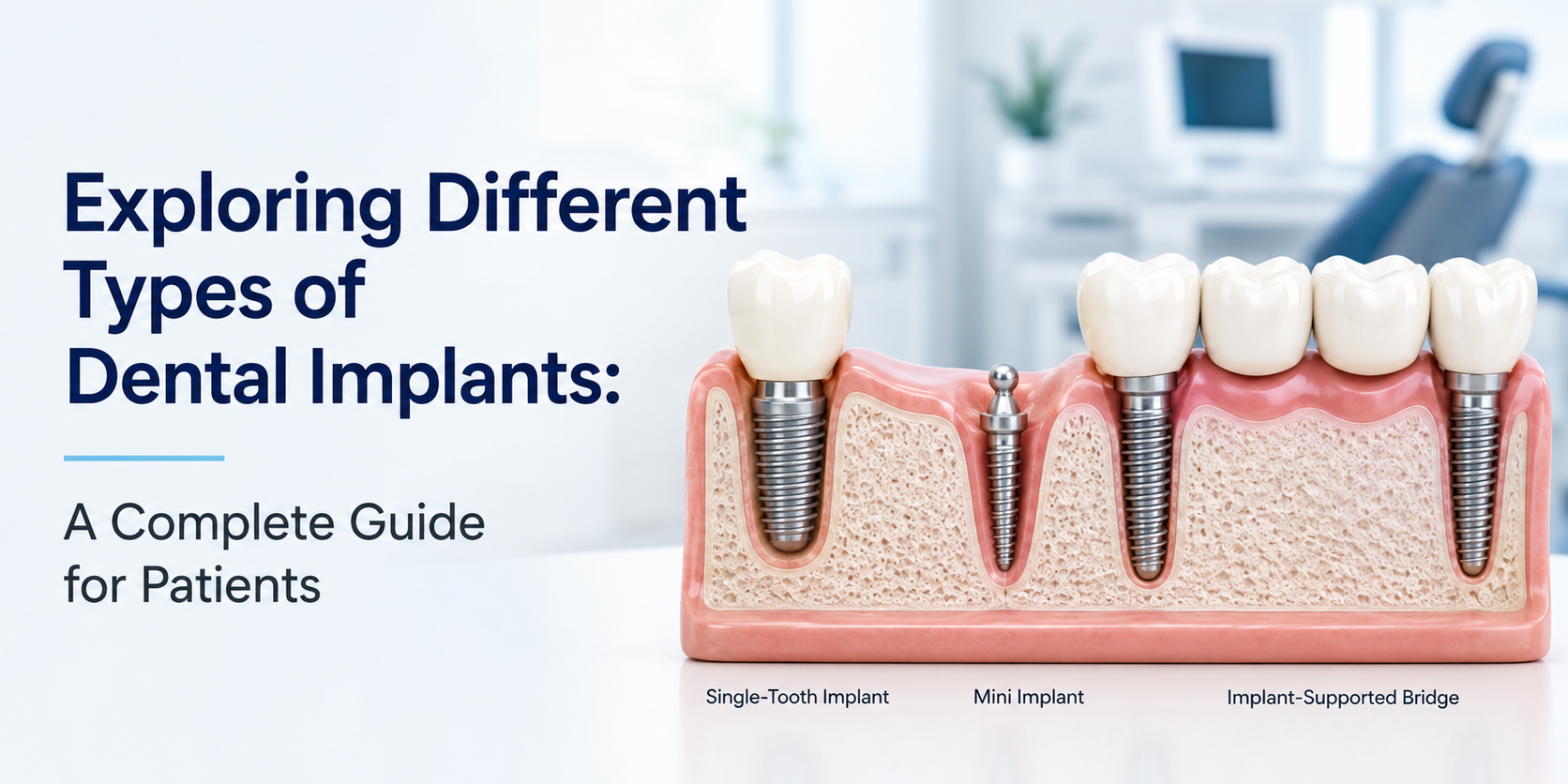
Mini Dental Implants
Mini dental implants are smaller in diameter than traditional implants. Because of their narrow size, they may be used in areas with limited space or to help stabilize dentures. Placement can sometimes be less invasive than conventional implant surgery, though they are not the best choice for every situation.
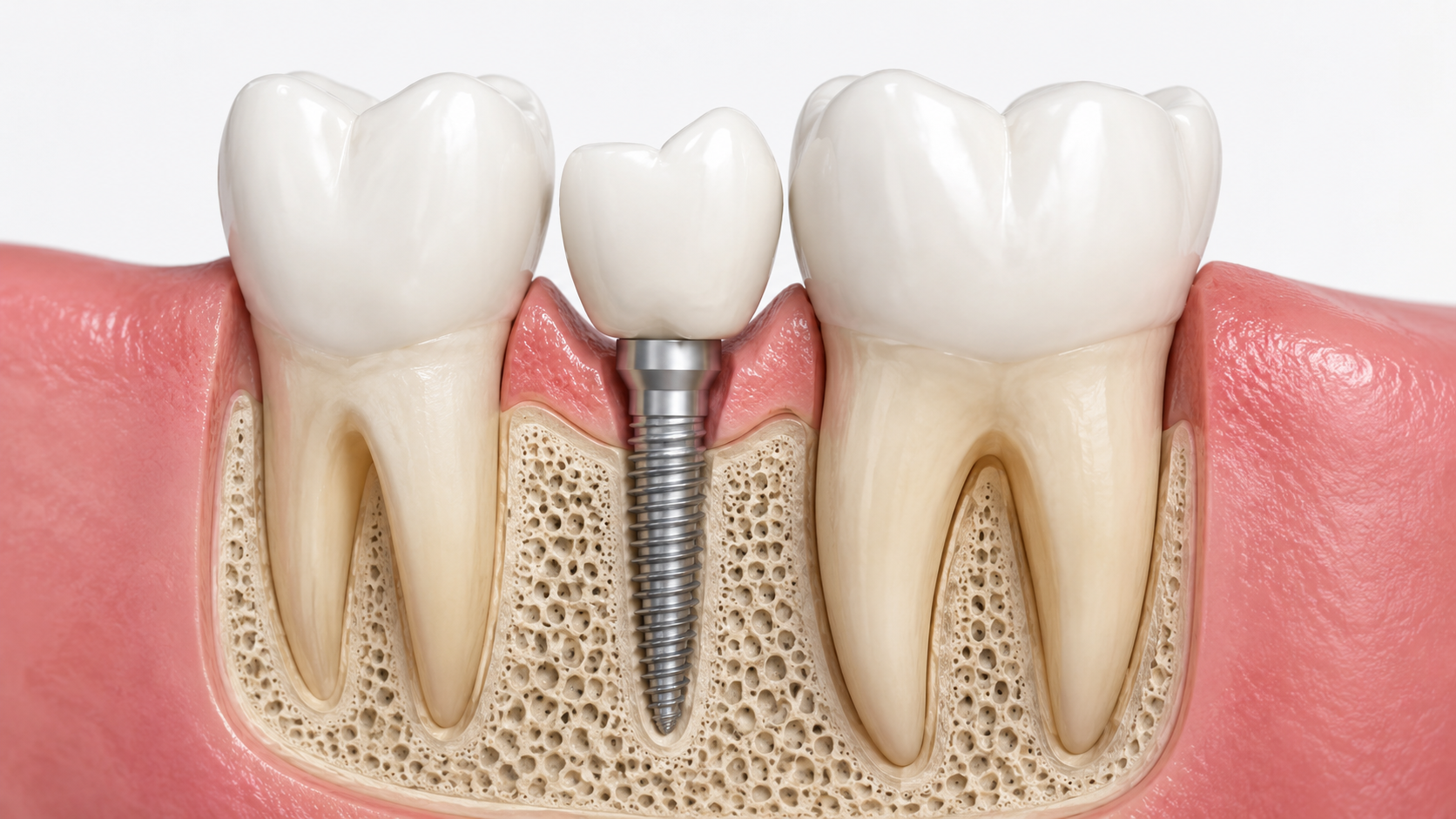
Mini dental implants may be helpful for patients who:
- Want added denture stability
- Have narrow bone areas
- Need a less invasive implant option
- Are not ideal candidates for larger traditional implants
All-on-4 and All-on-6 Dental Implants
All-on-4 and All-on-6 implants are full-arch solutions designed to replace an entire upper or lower set of teeth. Instead of placing one implant for every missing tooth, a full arch of replacement teeth is supported by four or six strategically placed implants. In All-on-4 treatment, two of the implants are often angled to improve stability and use available bone more efficiently.
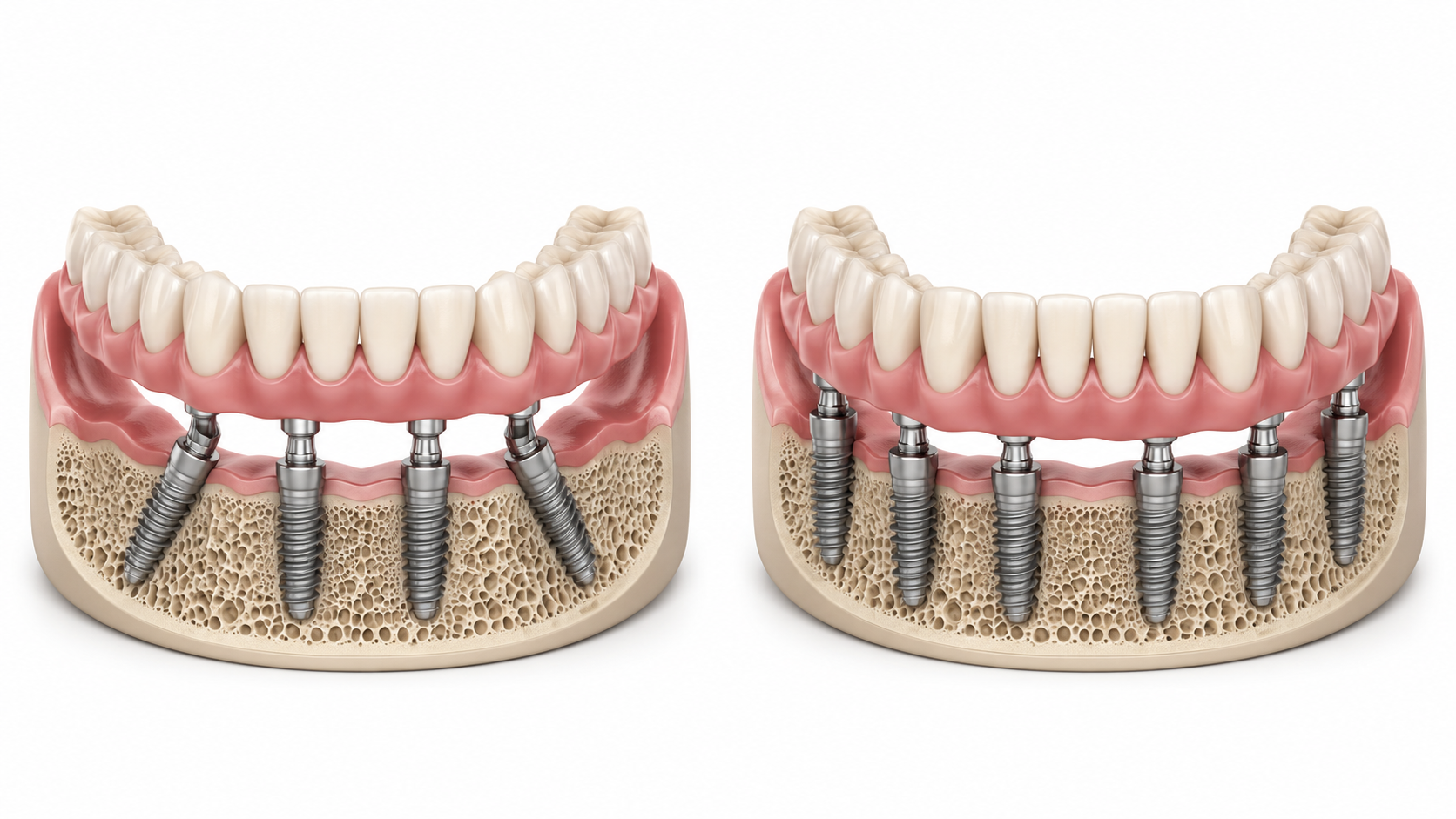
This option is often appealing for patients who:
- Are missing most or all teeth in one arch
- Want a fixed alternative to removable dentures
- Need improved chewing function
- Want a more streamlined full-mouth restoration plan
Implant-Supported Bridges
An implant-supported bridge replaces multiple missing teeth in a row. Instead of using natural teeth as anchors, the bridge is supported by dental implants. This can be a strong option when several adjacent teeth are missing, but the patient does not need a full-arch restoration.
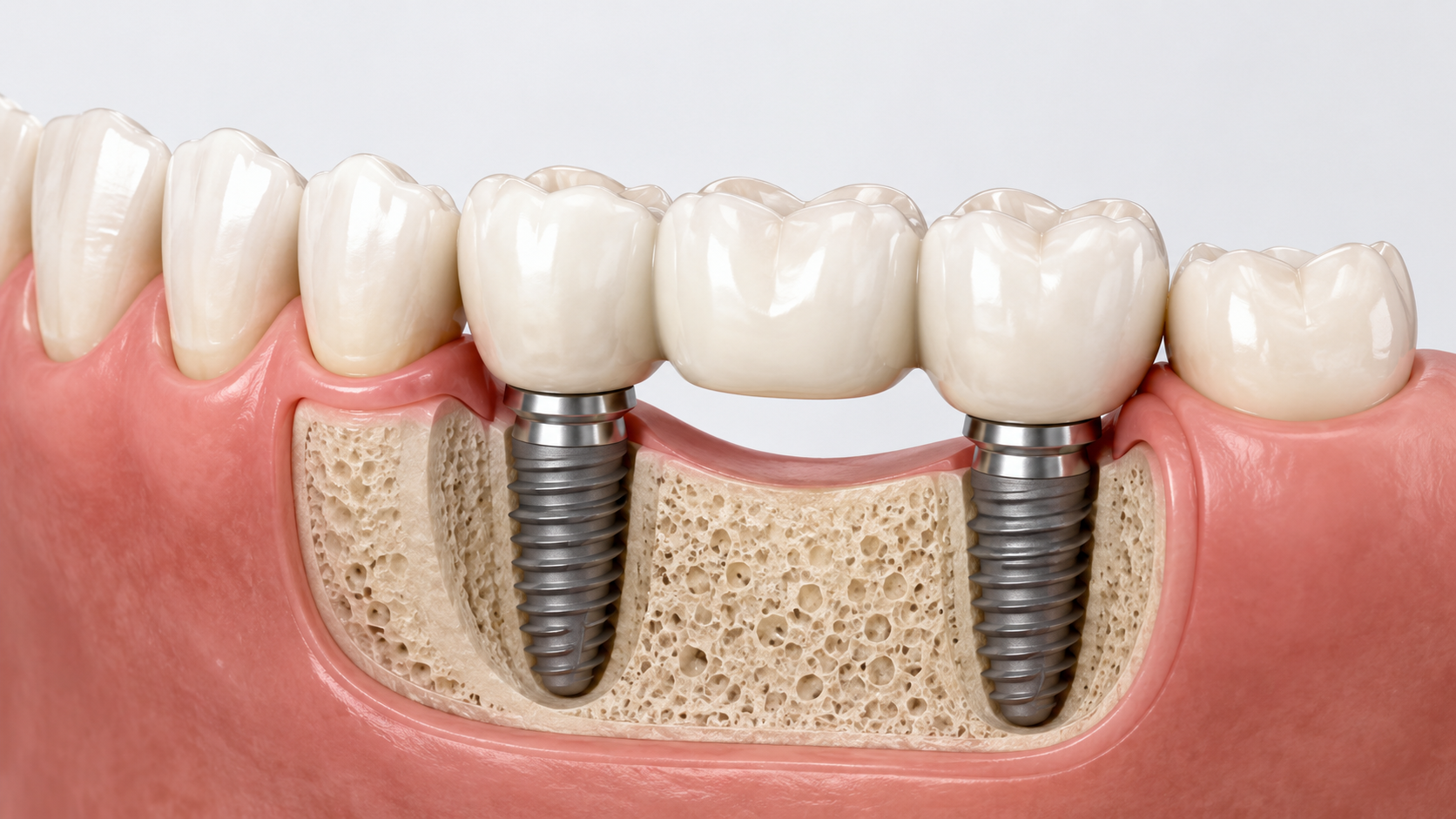
Implant-supported bridges can help preserve nearby natural teeth because they do not require reshaping healthy teeth for traditional bridge crowns.
Single-Tooth Dental Implants
A single-tooth implant replaces one missing tooth with one implant post and one custom crown. This is often one of the most conservative implant options because it replaces the missing tooth without relying on neighboring teeth for support.
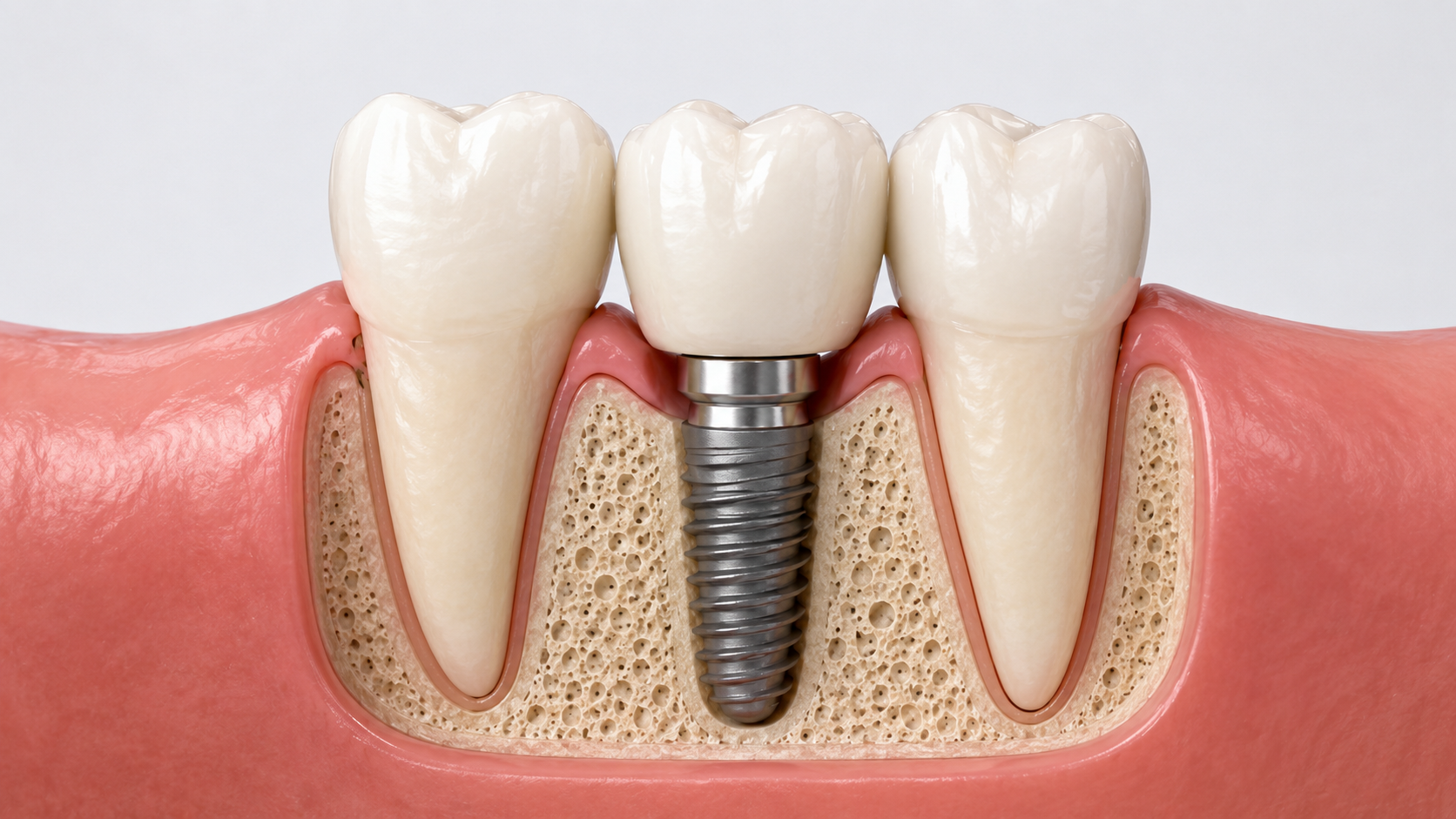
Single-tooth implants are commonly used when a patient has lost a tooth due to decay, injury, gum disease, or extraction.
Comparison Table: Different Types of Dental Implants
| Type of Dental Implant | Best For | Placement Style | Key Benefit |
| Endosteal Implants | Most patients with healthy jawbone | Placed directly into the jawbone | Strong, versatile, and widely used |
| Subperiosteal Implants | Patients with limited jawbone who may not want grafting | Placed under the gum and on top of the bone | Alternative when jawbone height is limited |
| Zygomatic Implants | Severe upper jawbone loss | Anchored into the cheekbone | Advanced option for complex upper-arch cases |
| Mini Dental Implants | Denture stabilization or narrow spaces | Smaller-diameter implant placement | Less invasive in select cases |
| All-on-4 / All-on-6 Implants | Full-arch tooth replacement | Four or six implants support a full arch | Fixed replacement for many or all missing teeth |
| Implant-Supported Bridge | Several missing teeth in a row | Implants anchor a multi-tooth bridge | Replaces multiple teeth without one implant per tooth |
Dental Implant Materials: Titanium vs. Zirconia
The material used for an implant can also influence treatment planning. The two most common materials are titanium and zirconia.
Titanium Dental Implants
Titanium is the traditional and most widely used dental implant material. It is strong, durable, and known for its ability to fuse with jawbone. Many endosteal implants are made from titanium, and it remains a trusted choice for a wide range of implant cases.
Zirconia Dental Implants
Zirconia is a ceramic, metal-free alternative that may be recommended for certain patients, including those with metal sensitivities or those who prefer a tooth-colored implant material. Zirconia can also be attractive for patients who are concerned about aesthetics near the gumline.
Which Type of Dental Implant Is Right for You?
There is no single “best” dental implant for every patient. The right option depends on your oral health, bone structure, restoration goals, and budget. During an implant consultation, your dentist may evaluate:
- The number of teeth you are missing
- Jawbone height, width, and density
- Gum health
- Bite alignment
- Medical conditions that may affect healing
- Smoking or tobacco use
- Whether you prefer fixed or removable restorations
Certain health conditions, including uncontrolled diabetes or conditions that affect healing, may influence implant candidacy. Tobacco use can also slow healing after surgery, so a personalized evaluation is important before beginning treatment.
Why Bone Health Matters for Different Types of Dental Implants
Jawbone health plays a major role in implant planning. Traditional endosteal implants need enough bone for stable placement. When bone volume is limited, patients may need bone grafting, mini implants, subperiosteal implants, zygomatic implants, or a full-arch approach that uses available bone strategically.
This is why two patients with the same number of missing teeth may receive very different treatment recommendations. The goal is not just to replace teeth, but to create a stable, comfortable, and natural-looking result that supports long-term oral function.
Dental Implants at Temple City Dental in the San Gabriel Valley
At Temple City Dental, we help patients throughout Temple City and the San Gabriel Valley restore their smiles with personalized cosmetic and restorative dentistry. Our team understands that choosing between the different types of dental implants can feel overwhelming, so we take the time to explain your options, evaluate your oral health, and recommend a treatment plan designed around your needs, comfort, and long-term goals.
We proudly offer several types of dental implants, including Endosteal Implants, Subperiosteal Implants, All-on-4 / All-on-6 Implants, and Mini Dental Implants. Whether you are missing one tooth, struggling with loose dentures, or considering a full-arch smile restoration, Temple City Dental provides implant-focused care that blends function, aesthetics, and modern restorative techniques.

Explore Your Dental Implant Options With Temple City Dental
Understanding the types of dental implants available can help you feel more confident about your next step. From endosteal implants and mini dental implants to full-arch All-on-4 or All-on-6 solutions, today’s implant dentistry offers flexible options for many different needs.
To learn more about the different types of dental implants and find out which solution may be right for your smile, contact Temple City Dental in the San Gabriel Valley today. Call our office or book an appointment directly online to schedule your dental implant consultation.
FAQs
The main types of dental implants include endosteal implants, subperiosteal implants, zygomatic implants, mini dental implants, implant-supported bridges, and full-arch options like All-on-4 and All-on-6 implants. Each type is designed for different oral health needs, jawbone conditions, and tooth replacement goals.
Endosteal implants are the most common type of dental implant. They are placed directly into the jawbone and are often used to support crowns, bridges, or dentures.
The right type of dental implant depends on your number of missing teeth, jawbone health, gum condition, and restoration goals. A dental implant consultation allows your dentist to evaluate your smile and recommend the most appropriate treatment plan.
Yes, dental implants can replace one tooth, several teeth, or a full arch of missing teeth. Depending on your needs, your dentist may recommend a single implant, implant-supported bridge, or full-arch implant solution.